

Indoor cats move less and gain weight easily. This recipe uses leaner meat with extra water.
Why your cat will love this
- Leaner
- High moisture
- For less active cats
Ingredient notes
- Chicken breast Safe
Cooked, boneless dark meat has more taurine than breast.
- Chicken thighs, skin removed Safe
Cooked, boneless dark meat has more taurine than breast.
- Chicken liver Caution
About 5 to 10 percent of the recipe.
Good source of vitamin A, but too much causes toxicity. Keep to about 5% of the recipe.
- Egg yolks Safe
Fully cooked only.
- Taurine supplement Safe
Dose per your vet.
Essential for cats. Homemade cat food must include a taurine source or supplement.

Homemade Food for Indoor Cats
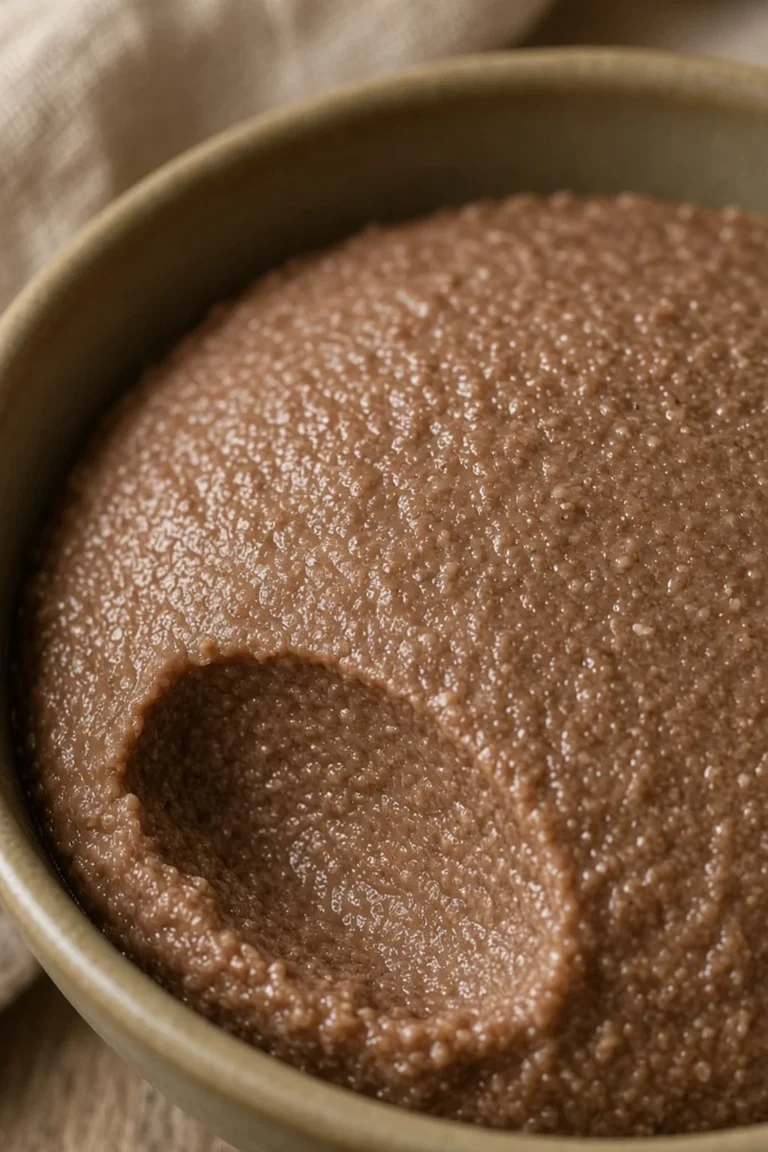
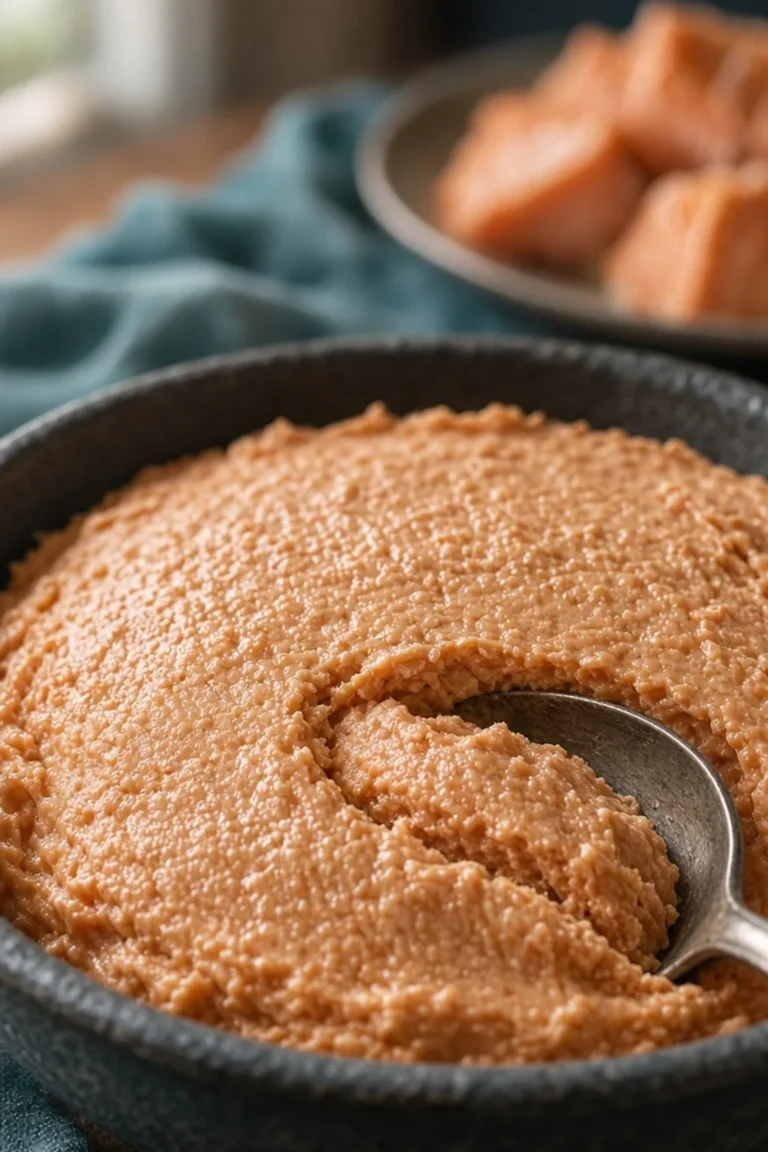
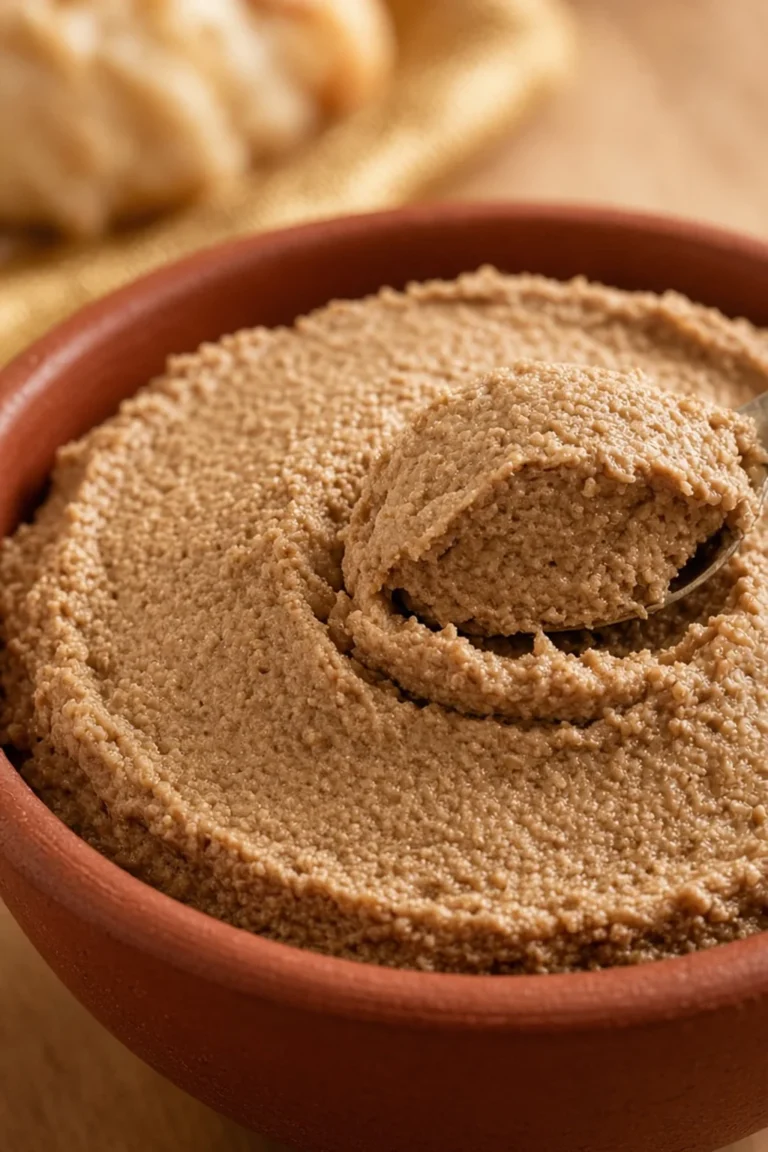
Lean chicken breast and thigh pâté with extra water.
- 5 of 6 ingredients safety-checked, 4 marked safe
- Wheat-free
- Grain-free
- Dairy-free
- Peanut-free
- Contains: Egg, Chicken
Ingredients
Makes 10 cups
- SafeCooked, boneless dark meat has more taurine than breast. Safe amount: Part of a balanced diet.
- SafeCooked, boneless dark meat has more taurine than breast. Safe amount: Part of a balanced diet.
- CautionGood source of vitamin A, but too much causes toxicity. Keep to about 5% of the recipe. Safe amount: Small amounts.
- SafeFully cooked only. Safe amount: A teaspoon or two.
- SafeEssential for cats. Homemade cat food must include a taurine source or supplement. Safe amount: Per your vet or recipe.
Equipment
- Blender
- Large saucepan
Instructions
-
Simmer the meat until fully cooked.
-
Remove any bones and skin.
-
Blend with the egg yolks and cooking water.
-
Cool, then stir in the taurine and supplement.
-
Portion and freeze.
Tips for success
- Never add supplements to hot food.
- Warm portions to body temperature.
- Switch slowly over 7 to 10 days.
Nutrition per 1/2 cup
- Calories
- 175 kcal
- Protein
- 20 g
- Fat
- 10 g
- Carbs
- 0.5 g
Storage
- Fridge 3 days
- Freezer 60 days
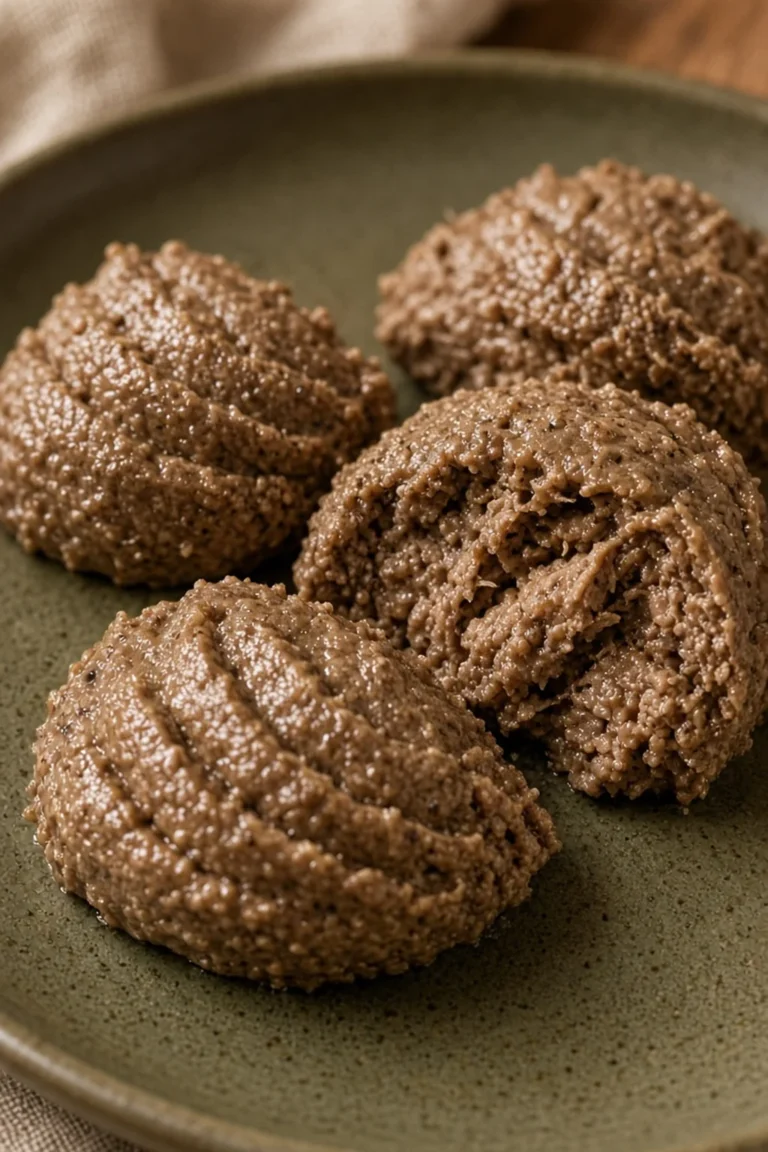
Freeze in ice cube trays; two cubes are about one meal.
How much to serve
About 2/3 cup a day for a 10 lb cat, split into 2 or 3 meals.
| Small cat (7 lb) | up to 1.25 1/2 cups a day |
|---|---|
| Average cat (10 lb) | up to 1.50 1/2 cups a day |
| Large cat (14 lb) | up to 2 1/2 cups a day |
Last updated November 8, 2026.
How to make Homemade Food for Indoor Cats
Homemade Food for Indoor Cats takes about 35 minutes from start to finish and makes 5 cups. It is an easy recipe. You will need a blender and a large saucepan. Read through every step once before you start, and set out all the ingredients so nothing is missed.
Ingredients and why they are here
You need 6 ingredients. Each one is checked against the ingredient safety guide for cats.
- 1 lb chicken breast: Cooked, boneless dark meat has more taurine than breast.
- 1 lb chicken thighs, skin removed: Cooked, boneless dark meat has more taurine than breast.
- 3 oz chicken liver: About 5 to 10 percent of the recipe. Good source of vitamin A, but too much causes toxicity. Keep to about 5% of the recipe.
- 2 large egg yolks: Fully cooked only.
- 1 cup cooking water
- 2000 mg taurine supplement: Dose per your vet. Essential for cats. Homemade cat food must include a taurine source or supplement.
Step-by-step instructions
- Simmer the meat until fully cooked. Allow about 25 minutes.
- Remove any bones and skin.
- Blend with the egg yolks and cooking water.
- Cool, then stir in the taurine and supplement.
- Portion and freeze.
Tips for success
- Never add supplements to hot food.
- Warm portions to body temperature.
- Switch slowly over 7 to 10 days.
How to store it
Let everything cool completely before you pack it away, since trapped steam causes sogginess and mold. Keep it in the fridge for up to 3 days, or in the freezer for up to 2 months. Freeze in ice cube trays; two cubes are about one meal. If anything smells off or shows mold, throw it out.
How much to serve
About 2/3 cup a day for a 10 lb cat, split into 2 or 3 meals. Each 1/2 cup has about 175 calories. Switch from your current food over 7 days, mixing in a little more of the new food each day, and weigh your cat every two weeks to adjust the amount.
Serving ideas
Serve in a wide, shallow dish so your cat’s whiskers do not touch the sides, and warm cold portions to room temperature.
Why cats love it
Leaner. High moisture. For less active cats.
Feeding tips for cats
Cats can be cautious with new foods. Offer a tiny amount next to something familiar, and be patient if your cat sniffs and walks away the first time. Warm refrigerated food to room temperature, since cats prefer food near body temperature. Cats with kidney, thyroid or urinary conditions may need a special diet, so ask your vet before adding new foods.
What to watch for
Watch your cat’s litter box for a few days after any change. Call your vet if your cat vomits repeatedly, has diarrhea, or stops eating for more than a day, since cats that skip meals can develop liver problems quickly. If you think your cat ate something toxic, call your vet or an animal poison control line right away.
Safety notes
Homemade cat food must include taurine and a vet-approved supplement to be complete and balanced. Chicken Liver: Good source of vitamin A, but too much causes toxicity. Keep to about 5% of the recipe. Never add onion, garlic, chocolate, grapes, raisins, xylitol or salt, and check the safety guide before trying a new ingredient with your cat. This recipe is general information, not veterinary advice.
Frequently asked questions
Is it complete on its own?
No, it needs taurine and a vet-approved supplement.
How long does it keep?
3 days in the fridge or 2 months frozen.
Leave a Reply