

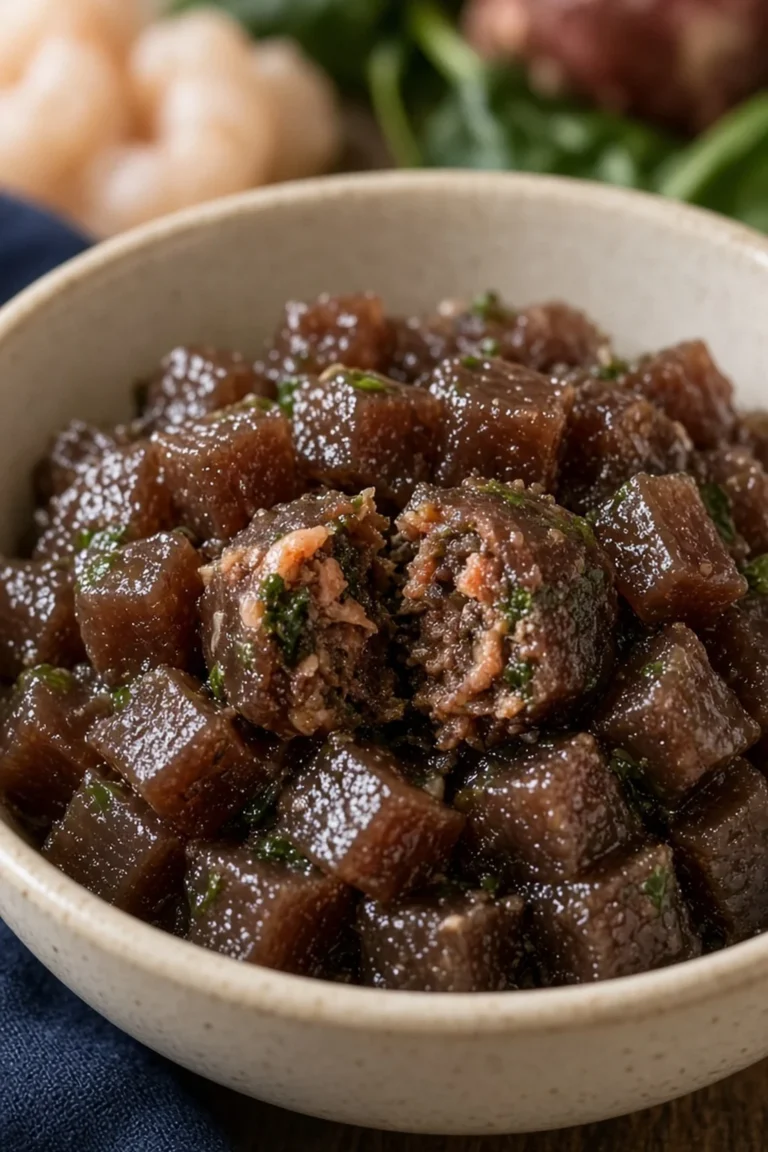
Angelfish are omnivores that prefer protein. This gel food is mostly seafood with some greens.
Why your fish will love this
- Protein-rich
- Holds in water
- Freezes
Ingredient notes

Homemade Angelfish Food
Shrimp, white fish, peas and spirulina gel.
- 4 of 6 ingredients safety-checked, 4 marked safe
- Wheat-free
- Grain-free
- Egg-free
- Dairy-free
- Peanut-free
- Freezer-Friendly
- Contains: Fish
Ingredients
Makes 60 cubes
- SafeRaw, peeled and unseasoned, for gel food. Safe amount: As part of a recipe.
- SafeBlanched and shelled, for goldfish. Safe amount: One or two peas.
- SafeAlgae powder for color and plant-eating fish. Safe amount: A pinch.
- SafeBinds homemade gel food. Safe amount: As part of a recipe.
Equipment
- Blender
Instructions
-
Blend seafood, peas and spirulina.
-
Mix in dissolved gelatin.
-
Spread and chill.
-
Cut small and freeze.
Tips for success
- Cut pieces small.
- Remove leftovers.
- Vary with frozen foods.
Storage
- Fridge 5 days
- Freezer 180 days
How much to serve
What they finish in 2 minutes, once or twice a day.
Last updated November 8, 2026.
How to make Homemade Angelfish Food
Homemade Angelfish Food takes about 2 hours 15 minutes from start to finish and makes 60 cubes. It is an easy recipe. You will need a blender. Read through every step once before you start, and set out all the ingredients so nothing is missed.
Ingredients and why they are here
You need 6 ingredients. Each one is checked against the ingredient safety guide for fish.
- 3 oz raw shrimp: Raw, peeled and unseasoned, for gel food.
- 2 oz white fish
- 2 tbsp peas, shelled: Blanched and shelled, for goldfish.
- 1/2 tsp spirulina: Algae powder for color and plant-eating fish.
- 1 packet gelatin: Binds homemade gel food.
- 1/4 cup hot water
Step-by-step instructions
- Blend seafood, peas and spirulina.
- Mix in dissolved gelatin.
- Spread and chill. Allow about 2 hours.
- Cut small and freeze.
Tips for success
- Cut pieces small.
- Remove leftovers.
- Vary with frozen foods.
How to store it
Let everything cool completely before you pack it away, since trapped steam causes sogginess and mold. Keep it in the fridge for up to 5 days, or in the freezer for up to 6 months. If anything smells off or shows mold, throw it out.
How much to serve
What they finish in 2 minutes, once or twice a day.
Serving ideas
Feed in one spot each time so fish learn where to gather, and drop food in slowly so you can see when they are full.
Why fish love it
Protein-rich. Holds in water. Freezes.
Feeding tips for fish
Overfeeding is the most common mistake in fishkeeping. Feed only what your fish finish in about two minutes and remove leftovers so they do not foul the water. Test water quality when you try a new food. Rotate foods through the week for variety, and fast adult fish one day a week if your species allows it.
What to watch for
Cloudy water, ammonia spikes or fish gasping at the surface usually mean too much food. Clamped fins, white spots or bloating are signs of illness. Do a partial water change, cut back on feeding, and ask a fish vet or experienced aquarium store if symptoms continue.
Common mistakes to avoid
The most common mistake is overfeeding, which pollutes the water. Feeding one food every day is another; variety keeps fish healthy.
Shopping list
Before you start, check that you have raw shrimp, white fish, peas, spirulina, gelatin and hot water. Most of it is at the grocery store; hay, pellets, feed and supplements are at pet or feed stores. Buy fresh produce close to the day you cook.
Make it ahead
To save time, measure and prep the ingredients the day before and keep them covered in the fridge. Label containers with the recipe name and date so you always know what to use first. Most of the work in this recipe is hands-off, so it fits easily around a busy week.
Safety notes
Never add onion, garlic, chocolate, grapes, raisins, xylitol or salt, and check the safety guide before trying a new ingredient with your fish. This recipe is general information, not veterinary advice.
Frequently asked questions
What do angelfish eat?
Flakes, pellets and protein foods.
How often?
Once or twice a day.



Leave a Reply