
Most vets recommend that treats make up no more than 10 percent of a dog’s daily calories. The other 90 percent should come from a complete, balanced diet. This “10 percent rule” keeps treats from crowding out nutrition and helps prevent weight gain, which affects more than half of dogs in the United States. Here is how to work out your dog’s treat budget and make the most of it.
Key facts
- Treats should be 10 percent or less of daily calories.
- A 30 lb neutered adult needs about 790 calories a day, so its treat budget is about 79 calories.
- One large commercial biscuit can use half of a small dog’s daily treat budget.
- Breaking treats into small pieces doubles or triples the number of rewards.
- Reduce meals on heavy-training days.
Treat budget by weight
Daily calories are estimates for a neutered adult at normal activity (70 × weight in kg^0.75 × 1.6). See our feeding chart for the full formula.
| Dog weight | Daily calories | Treat budget (10%) | Example in blueberries |
|---|---|---|---|
| 5 lb | 207 | 21 | About 25 berries |
| 10 lb | 349 | 35 | About 40 berries |
| 20 lb | 585 | 59 | About 70 berries |
| 30 lb | 794 | 79 | About 95 berries |
| 50 lb | 1,164 | 116 | About 140 berries |
| 70 lb | 1,498 | 150 | About 180 berries |
| 90 lb | 1,808 | 181 | About 215 berries |
Calories in popular treats
Approximate values. Commercial treats vary by brand, so check the label.
| Treat | Calories |
|---|---|
| Large commercial biscuit | 40 to 125 |
| Medium commercial biscuit | 20 to 40 |
| Bully stick (6 inch) | 80 to 100 |
| Rawhide chew (medium) | 50 to 80 |
| Dental chew (medium) | 70 to 90 |
| 1/2 tsp peanut butter | 16 |
| 1/4-inch cheese cube | 10 |
| Baby carrot | 4 |
| Green bean | 1 |
| Blueberry | 0.8 |
How much of a 10 lb dog’s treat budget one treat uses
Based on a 35-calorie daily treat budget. One large biscuit can exceed the whole budget.Why the rule matters
According to the Association for Pet Obesity Prevention’s 2022 survey, vets classified about 59 percent of dogs as overweight or obese. Extra weight is linked to arthritis, diabetes, breathing problems and a shorter life. A well-known 14-year study of Labrador Retrievers published in 2002 found that dogs fed 25 percent less than their littermates lived a median of about 1.8 years longer. Treats are one of the easiest places to save calories.
Easy ways to cut treat calories
- Break treats up. Dogs care about how often they get a treat more than its size. One biscuit cut into 6 pieces is 6 rewards.
- Use low-calorie foods. Green beans, cucumber, blueberries and carrots. See low-calorie dog treats.
- Use part of the meal. Set aside some kibble or homemade food for training.
- Make tiny training treats. Our training treats are about 2 calories each.
- Swap food rewards for play some of the time.
- Use a treat jar with a daily limit so everyone in the family knows the budget.
Treat budget examples
10 lb dog (35 calories)
- 2 tiny training treats (4 kcal) + 10 blueberries (8 kcal) + 1/2 tsp peanut butter in a toy (16 kcal) + 2 baby carrots (8 kcal) = 36 kcal
50 lb dog (116 calories)
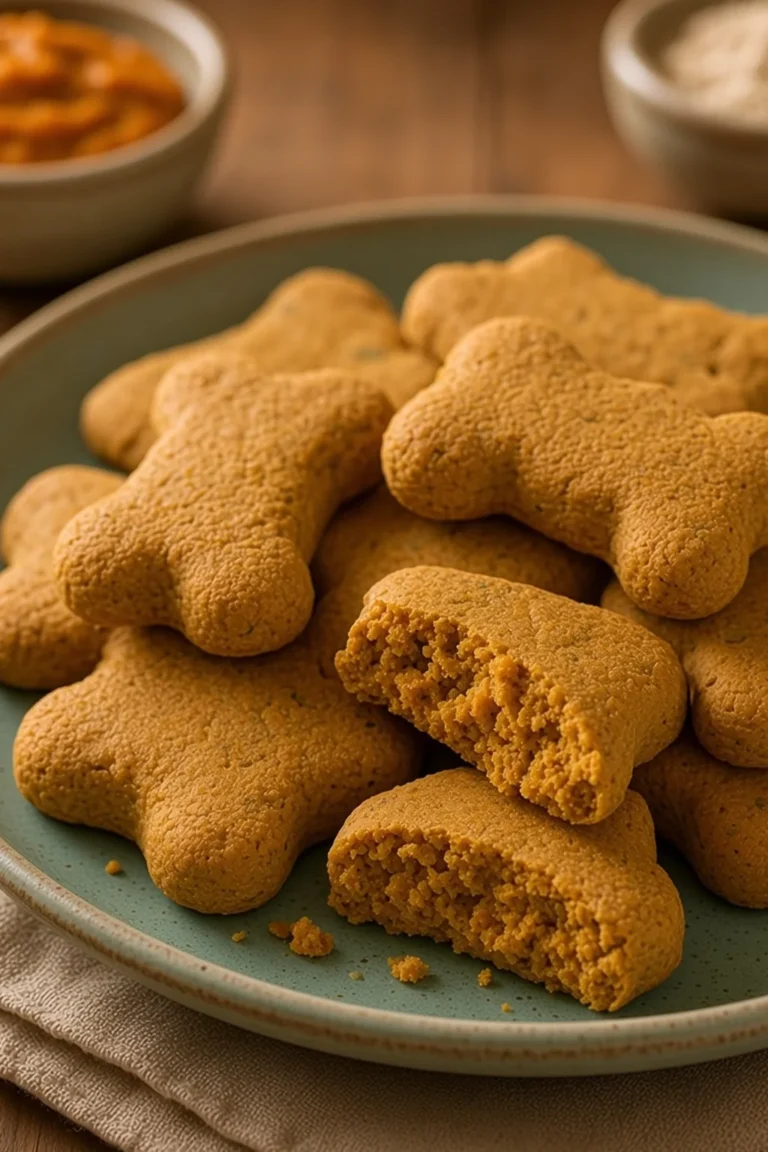
- 1 medium homemade biscuit (30 kcal) + 20 training treats (40 kcal) + 1/4 cup green beans (8 kcal) + a small frozen Kong topper (40 kcal) = 118 kcal
Heavy training days
Puppy classes and trick training can use lots of treats. On those days:
- Use pea-size pieces
- Use part of the daily kibble as rewards
- Reduce the next meal by the calories used
Long-lasting chews
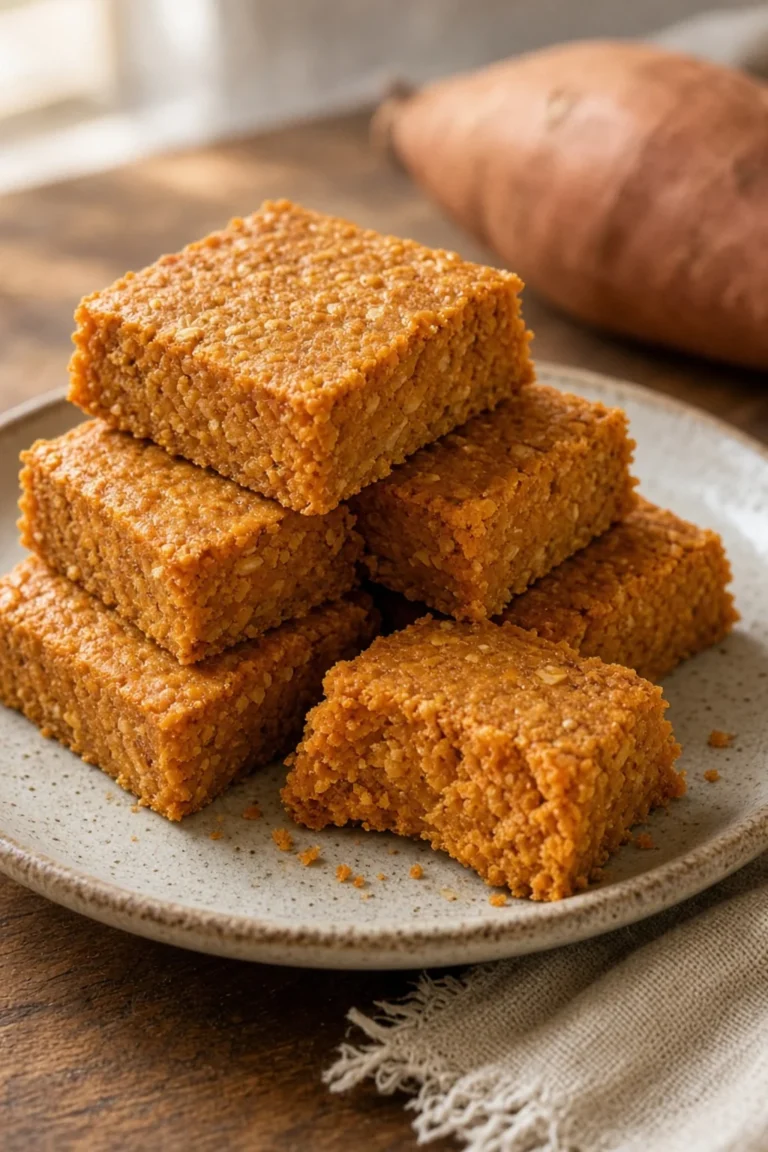
Chews often have more calories than owners expect. A bully stick can be 80 to 100 calories, which is a full treat budget for a 25 lb dog. Count chews in the budget and supervise chewing. Lower-calorie homemade options include sweet potato chews and green bean chips.
Dogs with diabetes, pancreatitis, kidney disease or food allergies may need a different treat plan. Ask your vet which treats suit your dog.
Frequently asked questions
Do fruits and vegetables count as treats?
Yes. Any food beyond the main diet counts toward the 10 percent.
Can I give more treats if my dog is active?
Active dogs need more total calories, so their 10 percent budget is larger. The rule still applies.
What about table scraps?
They count too, and many are fatty or unsafe. See safe human foods and toxic foods.
Signs your dog gets too many treats
- Weight creeping up on the scale
- Ribs harder to feel than before
- Skipping meals or becoming picky about regular food
- Begging more often between meals
- Soft stools after treat-heavy days
If you notice these, cut treats back to the budget and use low-calorie options for a few weeks. See how to help your dog lose weight.
The bottom line
Keep treats under 10 percent of daily calories, use small and low-calorie rewards, and adjust meals on busy training days. Your dog gets plenty of rewards and stays at a healthy weight.
Leave a Reply