
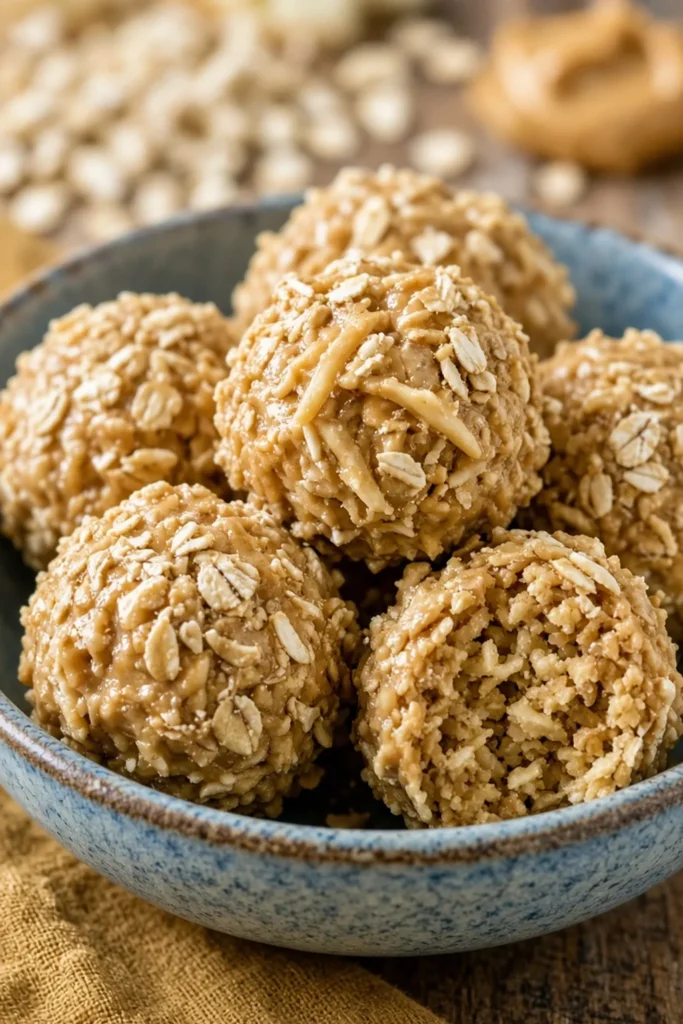
Oat and peanut butter cookies for horses.
Why your horse will love this
- Simple ingredients
- Safe for the animal
- Easy to make
Ingredient notes
Peanut Butter Horse Treats
Oats, unsalted peanut butter and apple baked into cookies.
- 2 of 4 ingredients safety-checked, 2 marked safe
- Wheat-free
- Egg-free
- Dairy-free
- Contains: Peanut
Ingredients
Makes 1 batch
- SafeA traditional grain; feed by weight. Safe amount: Per your feeding plan.
- SafeQuartered to reduce choking risk. Safe amount: 1–2 apples a day.
Equipment
- Mixing bowl
Instructions
-
Prepare the ingredients.
-
Mix or assemble as shown.
-
Serve fresh.
-
Remove leftovers before they spoil.
Tips for success
- Use plain, unsalted ingredients.
- Clean feeders and dishes often.
- Introduce new foods slowly.
Storage
- Counter 14 days
- Fridge 30 days
- Freezer 90 days
How much to serve
A small portion as part of the regular diet.
Last updated November 8, 2026.
How to make Peanut Butter Horse Treats
Peanut Butter Horse Treats takes about 45 minutes from start to finish and makes 1 batch. It is an easy recipe. You will need a mixing bowl. Read through every step once before you start, and set out all the ingredients so nothing is missed.
Ingredients and why they are here
You need 4 ingredients. Each one is checked against the ingredient safety guide for horses.
- 2 cups rolled oats: A traditional grain; feed by weight.
- 1/4 cup unsalted peanut butter
- 1 medium apple, grated: Quartered to reduce choking risk.
- 1/4 cup water
Step-by-step instructions
- Prepare the ingredients.
- Mix or assemble as shown.
- Serve fresh.
- Remove leftovers before they spoil.
Tips for success
- Use plain, unsalted ingredients.
- Clean feeders and dishes often.
- Introduce new foods slowly.
How to store it
Let everything cool completely before you pack it away, since trapped steam causes sogginess and mold. Keep it at room temperature for up to 2 weeks, in the fridge for up to 4 weeks, or in the freezer for up to 3 months. If anything smells off or shows mold, throw it out.
How much to serve
A small portion as part of the regular diet.
Serving ideas
Feed treats in a bucket or from a flat palm, never from your fingers. Using treats only as a reward after work or grooming keeps manners good around the barn.
Why horses love it
Simple ingredients. Safe for the animal. Easy to make.
Feeding tips for horses
Introduce any new feed or treat gradually, as sudden changes can upset a horse’s digestion. Horses with insulin resistance, Cushing’s or a history of laminitis need low-sugar treats, so check with your vet. Hand-feed treats from a flat palm, or put them in a bucket to discourage nipping. Fresh water and good forage come first.
What to watch for
Watch for signs of colic after any feed change: pawing, rolling, looking at the belly, or not passing manure. Colic is an emergency, so call your vet right away. Heat in the hooves or a reluctance to walk can be signs of laminitis, especially in horses on rich feed.
Common mistakes to avoid
The most common mistakes are sudden feed changes, sugary treats for metabolic horses and treats cut in round coins that can cause choke.
Shopping list
Before you start, check that you have rolled oats, unsalted peanut butter, apple and water. Most of it is at the grocery store; hay, pellets, feed and supplements are at pet or feed stores. Buy fresh produce close to the day you cook.
Make it ahead
To save time, measure and prep the ingredients the day before and keep them covered in the fridge. Label containers with the recipe name and date so you always know what to use first. Most of the work in this recipe is hands-off, so it fits easily around a busy week.
Safety notes
Never add onion, garlic, chocolate, grapes, raisins, xylitol or salt, and check the safety guide before trying a new ingredient with your horse. This recipe is general information, not veterinary advice.
Frequently asked questions
How much should I give?
A small portion as part of the regular diet.
Can I make it ahead?
It freezes for up to 3 months.


Leave a Reply