
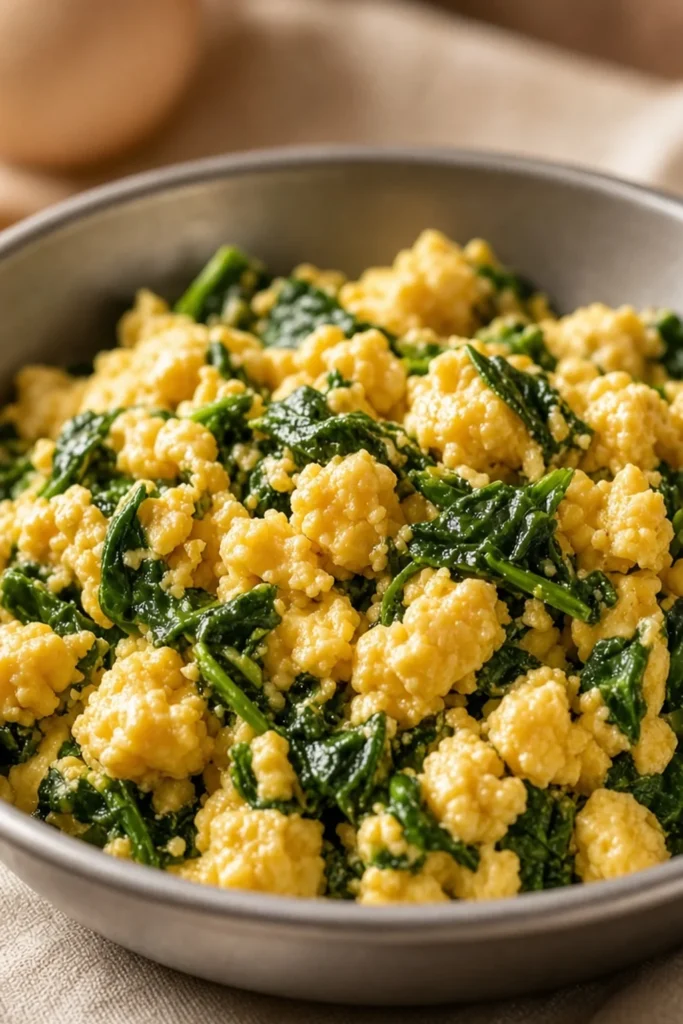
Cooked eggs are a protein boost for chickens, especially during molt or cold weather. Cook them fully with no salt or butter.
Why your flock will love this
- Protein boost
- Great during molt
- Five minutes
Scrambled Egg Treat for Chickens
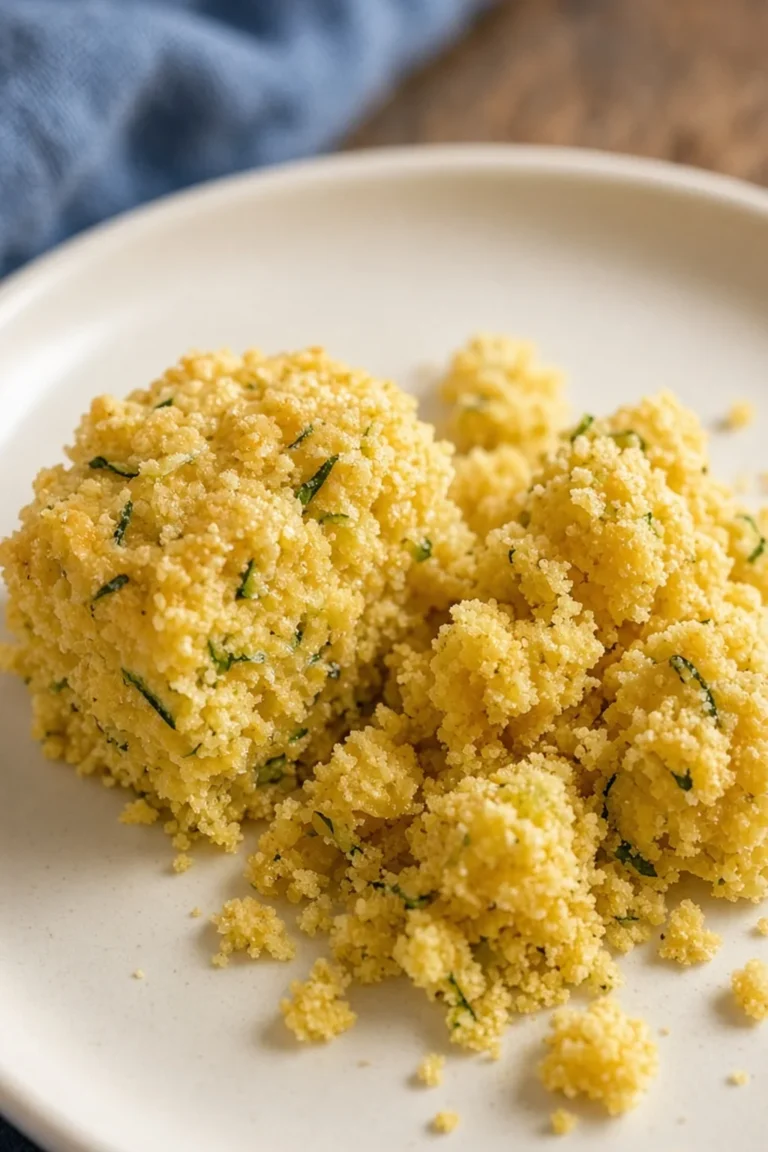
Plain scrambled eggs mixed with chopped greens.
- Wheat-free
- Grain-free
- Dairy-free
- Peanut-free
- Contains: Egg
Ingredients
Makes 3 servings
Equipment
- Nonstick pan
Instructions
-
Scramble the eggs in a dry pan until fully cooked.
-
Stir in the greens.
-
Cool.
-
Scatter in a shallow dish.
Tips for success
- Cook fully so hens do not learn to eat raw eggs.
- No salt or butter.
- Serve in the afternoon.
Storage
- Fridge 1 day
How much to serve
About 1 egg per 2 to 3 hens, a few times a week.
Last updated November 8, 2026.
How to make Scrambled Egg Treat for Chickens
Scrambled Egg Treat for Chickens takes about 8 minutes from start to finish and makes 3 servings. It is an easy recipe. You will need a nonstick pan. Read through every step once before you start, and set out all the ingredients so nothing is missed.
Ingredients and why they are here
You need 2 ingredients. Each one is checked against the ingredient safety guide for chickens.
- 4 large eggs
- 1/2 cup kale or spinach, chopped
Step-by-step instructions
- Scramble the eggs in a dry pan until fully cooked. Allow about 5 minutes.
- Stir in the greens.
- Cool.
- Scatter in a shallow dish.
Tips for success
- Cook fully so hens do not learn to eat raw eggs.
- No salt or butter.
- Serve in the afternoon.
How to store it
Let everything cool completely before you pack it away, since trapped steam causes sogginess and mold. Keep it in the fridge for up to 1 day. If anything smells off or shows mold, throw it out.
How much to serve
About 1 egg per 2 to 3 hens, a few times a week.
Serving ideas
Scatter treats on clean ground or in a shallow pan rather than one pile, so every hen gets a share and the bossy birds do not take it all.
Why chickens love it
Protein boost. Great during molt. Five minutes.
Feeding tips for chickens
Treats should make up no more than about 10 percent of what your flock eats, with a complete layer feed as the base. Offer treats in the afternoon so hens fill up on feed first. Provide grit and oyster shell free choice, and always keep clean water available. Remove leftover fresh food before evening to avoid attracting rodents.
What to watch for
A drop in egg laying often means too many treats and not enough layer feed. Watch for soft-shelled eggs, which can point to diet problems. Isolate any hen that looks lethargic or stops eating, and call a vet who treats poultry.
Common mistakes to avoid
The most common mistakes are too many treats, which lowers egg laying, and leaving food out overnight, which draws rodents.
Shopping list
Before you start, check that you have eggs and kale or spinach. Most of it is at the grocery store; hay, pellets, feed and supplements are at pet or feed stores. Buy fresh produce close to the day you cook.
Make it ahead
To save time, measure and prep the ingredients the day before and keep them covered in the fridge. Label containers with the recipe name and date so you always know what to use first. Most of the work in this recipe is hands-off, so it fits easily around a busy week.
Why make it at home
Making food and treats at home lets you control every ingredient, skip added sugar, salt and dyes, and use fresh produce. It also lets you adjust portions to suit your hen. Keep a simple note of what you make and how your hen responds, so you can repeat the favorites and avoid anything that does not agree with them.
Safety notes
Never add onion, garlic, chocolate, grapes, raisins, xylitol or salt, and check the safety guide before trying a new ingredient with your hen. This recipe is general information, not veterinary advice.
Frequently asked questions
Can chickens eat eggs?
Yes, cooked eggs.
Will it make them eat their own eggs?
Cooked and scrambled eggs do not look like whole eggs.

Leave a Reply