

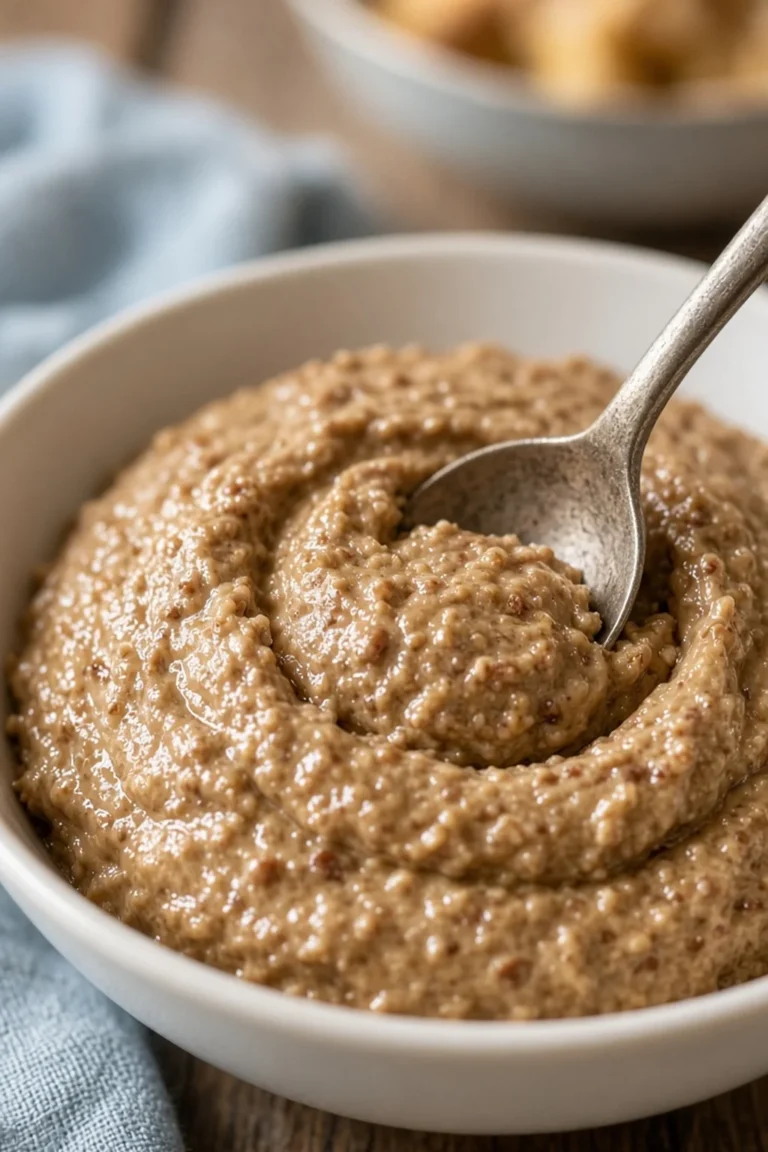
Cooked shrimp and egg blend into soft seafood bites.
Why your cat will love this
- Cats love them
- Small portions
- Easy
Ingredient notes
- Eggs Safe
Fully cooked only.

Shrimp and Egg Cat Bites
Blended shrimp and egg baked in a mini mold.
- 1 of 2 ingredients safety-checked, 1 marked safe
- Wheat-free
- Grain-free
- Dairy-free
- Peanut-free
- Contains: Egg, Fish
Ingredients
Makes 60 treats
Equipment
- Mini silicone mold
Instructions
-
Heat the oven to 350°F (175°C).
-
Blend shrimp and eggs.
-
Fill a mini mold.
-
Bake until set.
Tips for success
- No shells or tails.
- Mini paw molds work well.
- Freeze half.
Nutrition per treat
- Calories
- 3.0 kcal
- Protein
- 0.4 g
- Fat
- 0.1 g
- Carbs
- 0.1 g
Storage
- Fridge 4 days
- Freezer 90 days
How much to serve
Up to 6 treats a day for an average cat.
| Small cat (7 lb) | up to 6 treats a day |
|---|---|
| Average cat (10 lb) | up to 8 treats a day |
| Large cat (14 lb) | up to 11 treats a day |
Last updated November 8, 2026.
How to make Shrimp and Egg Cat Bites
Shrimp and Egg Cat Bites takes about 28 minutes from start to finish and makes 60 treats. It is an easy recipe. You will need a mini silicone mold. Read through every step once before you start, and set out all the ingredients so nothing is missed.
Ingredients and why they are here
You need 2 ingredients. Each one is checked against the ingredient safety guide for cats.
- 4 oz cooked shrimp, peeled
- 2 large eggs: Fully cooked only.
Step-by-step instructions
- Heat the oven to 350°F (175°C).
- Blend shrimp and eggs.
- Fill a mini mold.
- Bake until set. Allow about 15 minutes.
Tips for success
- No shells or tails.
- Mini paw molds work well.
- Freeze half.
How to store it
Let everything cool completely before you pack it away, since trapped steam causes sogginess and mold. Keep it in the fridge for up to 4 days, or in the freezer for up to 3 months. If anything smells off or shows mold, throw it out.
How much to serve
Up to 6 treats a day for an average cat. Each treat has about 3 calories. Treats and toppers should stay under 10 percent of your cat’s daily calories, so cut back their regular food a little on days you serve extra.
Serving ideas
Use treats to reward calm behavior at the vet, during brushing or when your cat goes into the carrier. A treat or two hidden in a puzzle feeder adds play time.
Why cats love it
Cats love them. Small portions. Easy.
Feeding tips for cats
Cats can be cautious with new foods. Offer a tiny amount next to something familiar, and be patient if your cat sniffs and walks away the first time. Warm refrigerated food to room temperature, since cats prefer food near body temperature. Cats with kidney, thyroid or urinary conditions may need a special diet, so ask your vet before adding new foods.
What to watch for
Watch your cat’s litter box for a few days after any change. Call your vet if your cat vomits repeatedly, has diarrhea, or stops eating for more than a day, since cats that skip meals can develop liver problems quickly. If you think your cat ate something toxic, call your vet or an animal poison control line right away.
Shopping list
Before you start, check that you have cooked shrimp and eggs. Everything is sold at a regular grocery store. Buy fresh produce close to the day you cook.
Make it ahead
To save time, measure and prep the ingredients the day before and keep them covered in the fridge. Label containers with the recipe name and date so you always know what to use first. Most of the work in this recipe is hands-off, so it fits easily around a busy week.
Why make it at home
Making food and treats at home lets you control every ingredient, skip added sugar, salt and dyes, and use fresh produce. It also lets you adjust portions to suit your cat. Keep a simple note of what you make and how your cat responds, so you can repeat the favorites and avoid anything that does not agree with them.
Safety notes
Never add onion, garlic, chocolate, grapes, raisins, xylitol or salt, and check the safety guide before trying a new ingredient with your cat. This recipe is general information, not veterinary advice.
Frequently asked questions
Can cats eat shrimp?
Cooked plain shrimp, yes.
How often?
A few times a week.



Leave a Reply